Ironically, it's in the Summer - when the thermometers are screaming 30
°C and a nap in the shade is
the ideal of a perfect afternoon - when I really get the urge to fall back into the "homesteading" mindset and get the pots and pans on the stove. Obviously, one of the reasons for wanting to subject the household to that kind of torture is because the warmer weather brings with it all the gorgeous, perfectly preservable fruit and vegetables begging to be turned into jam, chutney, pickles and sauce. But sometimes, I want to
really get into the whole make-your-own thing (especially after reading books about homesteading or "country living", or visiting our local farmer's market when it's packed with that morning's eggs, homemade preserves and freshly baked bread), and that's usually when you'll find me in the kitchen making my own butter, grinding (or trying to grind) grains into flour, and my most recent project - rendering scraps of beef fat into tallow with my big ol' Dutch oven.
Now, some of you who have been reading this blog for a while might be a little bewildered. I mean after all, I'm 99% vegetarian (I eat fish
very occasionally) and haven't touched beef, pork, or chicken to my lips for over 10 years. Besides, I'm a nutritionist, and here I am talking about
beef tallow? Well, yes, I am. For one, I was never an "ethical vegetarian" first and foremost - I eschewed meat only after years of my body protesting the digestion of animal protein and high fat food of any kind. While I
do care for the wellbeing of animals and the planet, my passion is directed at making sure those animals who
are slaughtered for meat do not die for the sake of one or two cuts of meat. In other words, if a cow, chicken, pig or
anything else is going to die for the table, I want to do my best to make sure the whole thing can be used to it's greatest potential. Call it my Native North American background, but seeing an animal whose skin is tanned into leather, made into warm clothing or cooked as a snack, whose bones are simmered for stock and whose meat can be almost entirely consumed in one way or another is far more of an ethical treatment for them than a life stuck in a cage or pen.
In terms of nutrition, I was originally as surprised as most people at the breakdown of "traditional" fat products - after all, animal fat gets a bad rap and an even worse mental picture. If I was to mention making traditional
lard pastry or
Cuban bread to most people my age, let alone entertain the possibility of breaking down chicken carcasses (including feet) for stock or chopping up hunks of beef fat to melt and refine into tallow, I'd be ostracized more so than I was for being an obese, bookish teenager. However, those able to see past the mental imagery of these ingredients as blobs of slimy tissue are treated to not only excellent additions to the pantry for cooking and baking, but fairly healthy options for culinary fats as well. With more poly and monounsaturated fatty acids than
coconut oil, less Omega-6 (inflammatory) EFAs than
butter and no trans fats (I'm looking at you, shortening), tallow is a fine addition to the culinary world whether you use it for savoury cooking or in the sweet kitchen. In fact, I whipped up a batch of oatmeal cookies with some of the first tallow I rendered to see how it fared - and it was
fantastic. High heat stir fries and roasting potatoes were equally ideal uses for this versatile fat.
One of the best things about this whole project was that it was
cheap - the beef trimmings came gratis from our butcher (who I'm sure thought I was crazy for wanting them) and by using my heavy, enameled Dutch oven I was able to vary the oven temperature for other projects while the fat slowly cooked away, thus allowing me to justify the electricity for the long, slow rendering process.
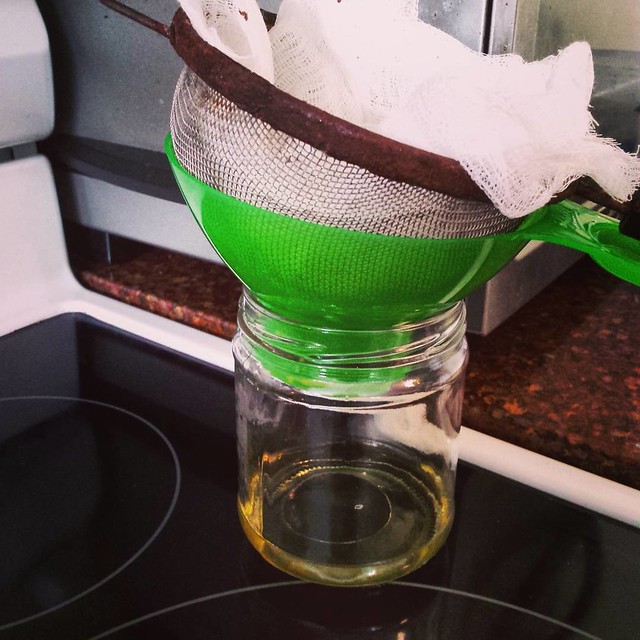
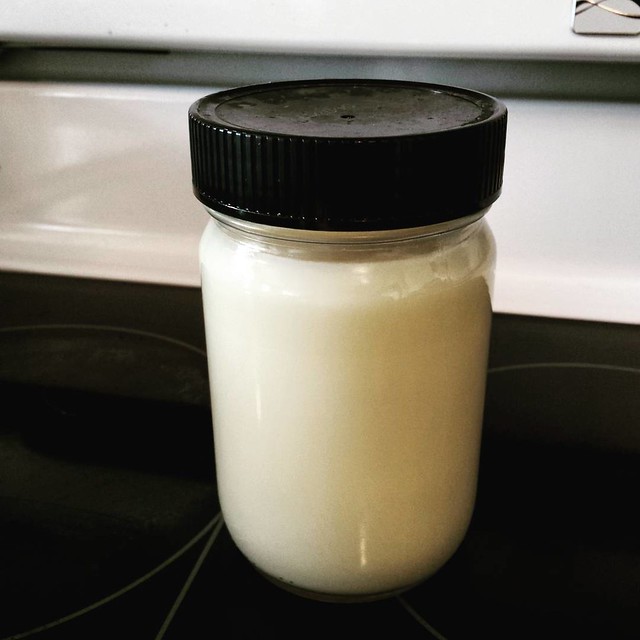
Anyways, this is how I rendered my own batch of snowy-white tallow, using the guide from
Mark's Daily Apple and it's subsequent comments.
Shared with
Gluten Free Fridays and Waste Not Want Not Wednesday